Personal Hygiene

Personal hygiene involves keeping your body clean and healthy to prevent diseases and boost confidence. Good hygiene habits protect you and those around you from illness.
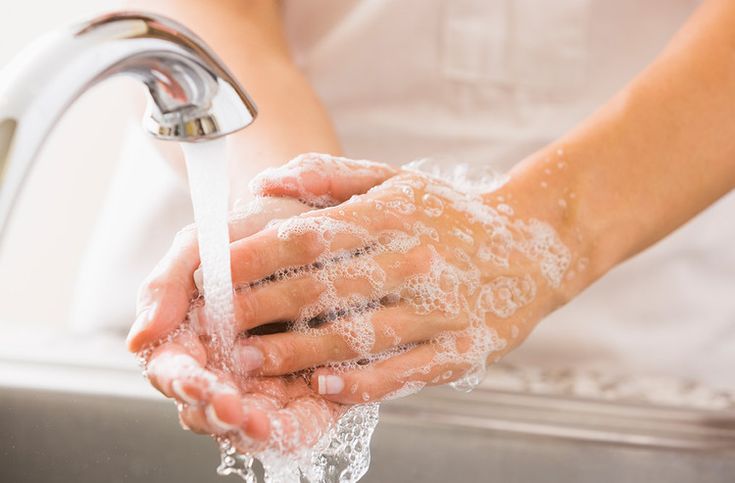
Hand Hygiene

Hand Hygiene

Wash hands regularly with soap and water, especially before eating and after using the toilet, to prevent germs and diseases like diarrhea and flu.
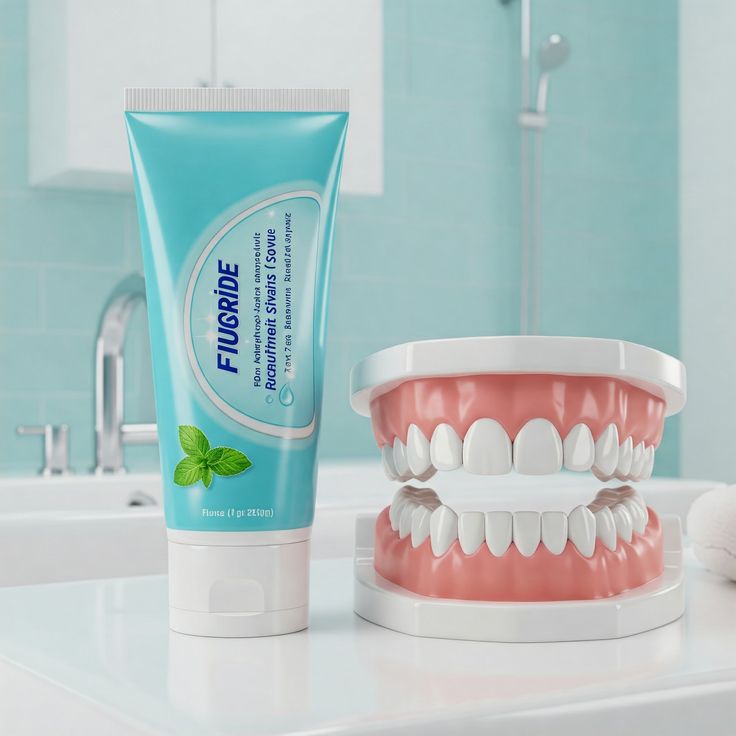
Oral Hygiene

Oral Hygiene

Brush your teeth twice daily and visit the dentist regularly to prevent bad breath and tooth decay.
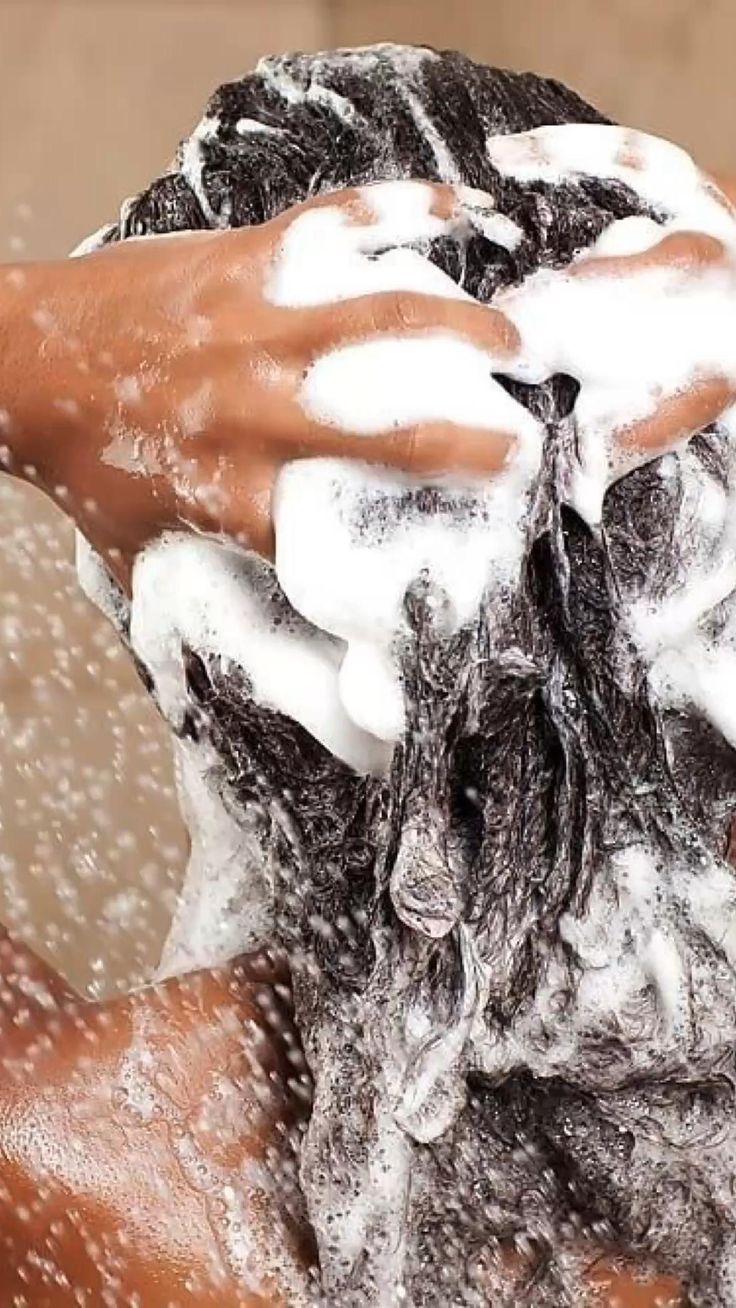
Hair Hygiene

Hair Hygiene

Wash your hair regularly to remove dirt and sweat, and keep it neat to prevent dandruff and lice.

Body Hygiene

Body Hygiene

Take regular baths to remove sweat and bacteria. Wear clean clothes and use deodorant to stay fresh.
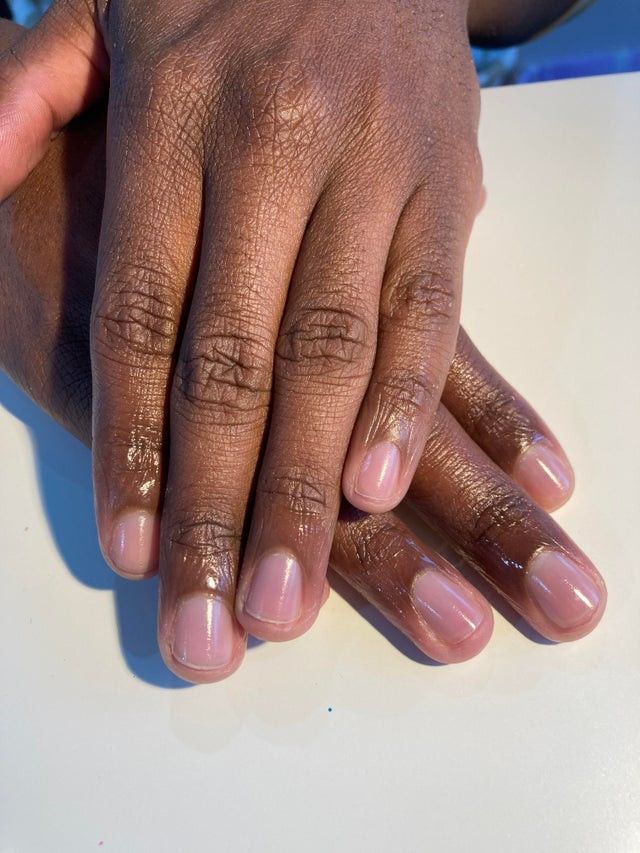
Nail Hygiene

Nail Hygiene

Trim your nails often to prevent dirt buildup and infections.
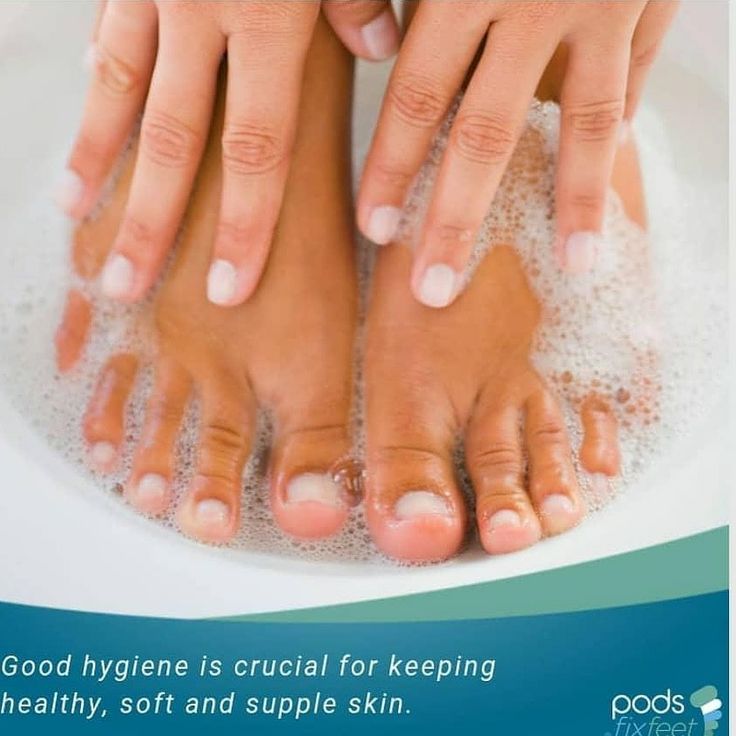
foot

6. Foot Hygiene

  • Wash and dry feet daily.
  • Wear clean socks and shoes.
  • Prevents bad odor and fungal infections.
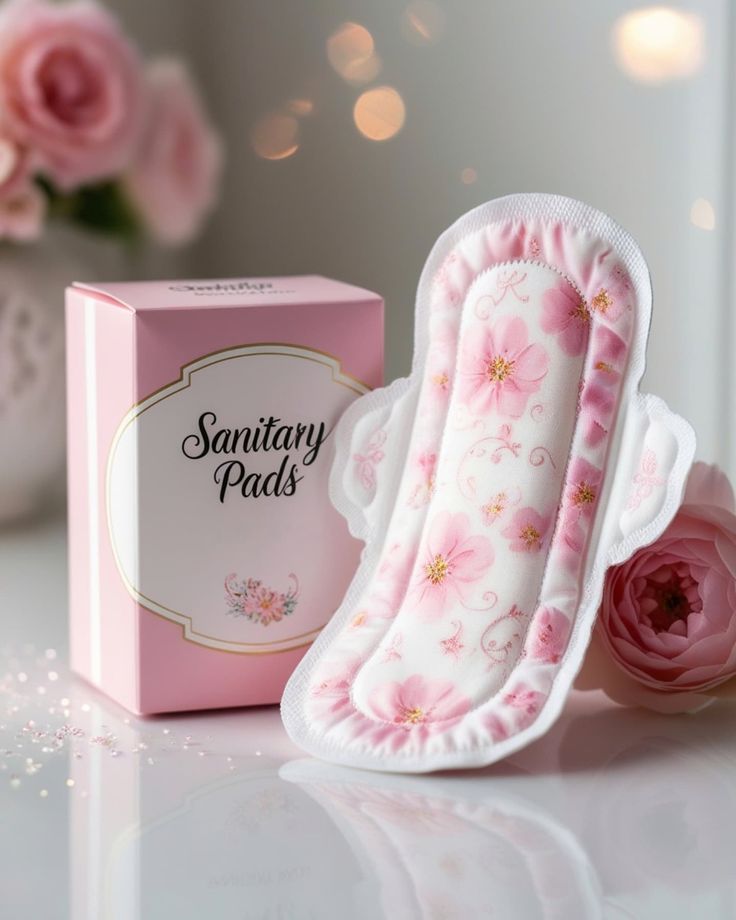
Menstrual

7. Menstrual Hygiene

  • Use clean sanitary products.
  • Change them regularly.
  • Dispose of them properly.
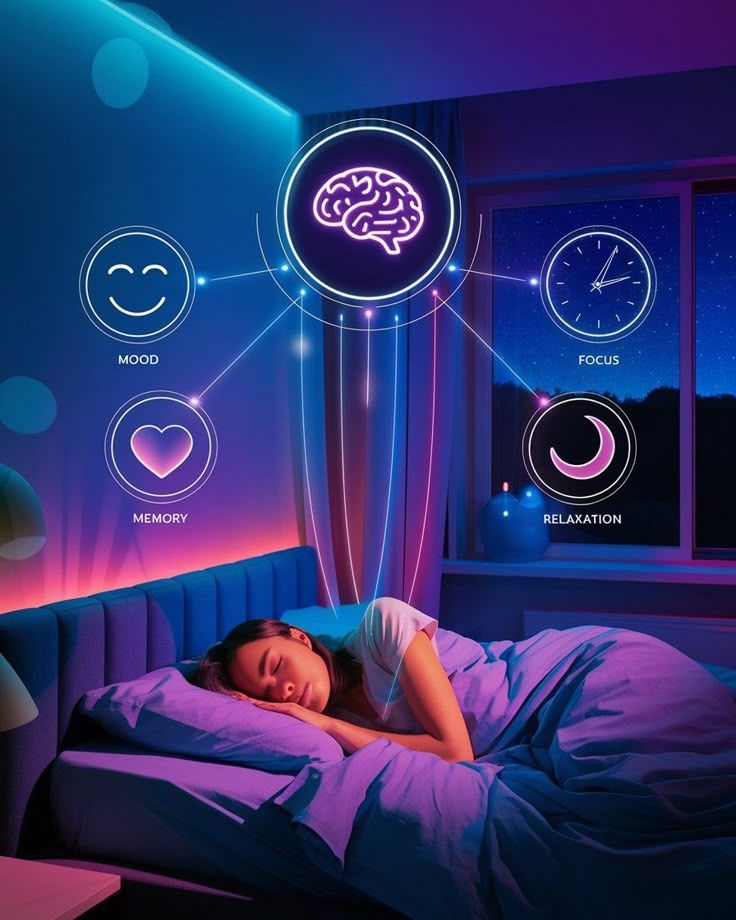
sleep

8. Sleep Hygiene

  • Sleep 7-9 hours daily.
  • Keep bedding clean.
  • Boosts immunity and mental health.

Environmental Hygiene

Environmental hygiene helps maintain cleanliness in our surroundings to prevent diseases and promote a safe, healthy environment.
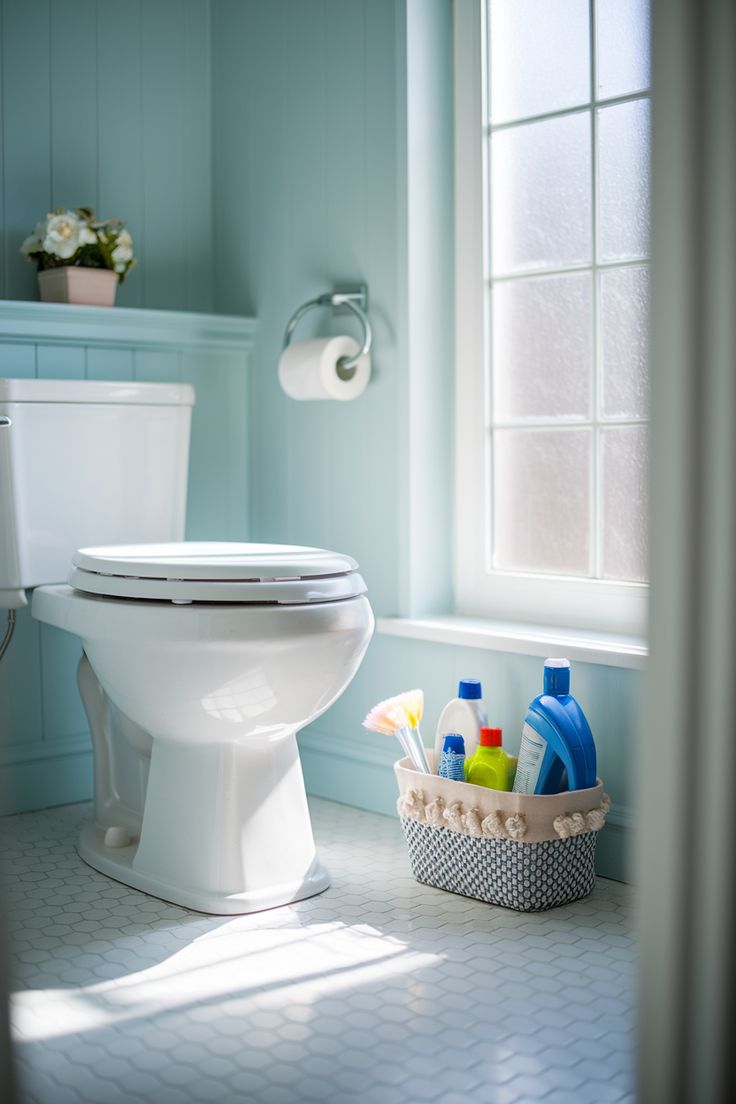
Toilet Hygiene

Toilet Hygiene

Always flush the toilet, clean it regularly, and wash your hands after use to prevent infections.
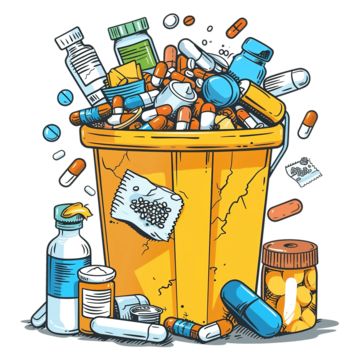

waste management

waste management

  • Dospose of waste properly and regularly.
  • Separate biodegradable and non-biodegradable waste.
  • Avoid littering in school and house surrouding.
  • Burn or compost organic waste safely where posible.
school hygiene

School Hygiene

  • keep the school surrouding clean.
  • Despose paper,plastic, and waste in bins.
  • Avoid burning waste near classrooms
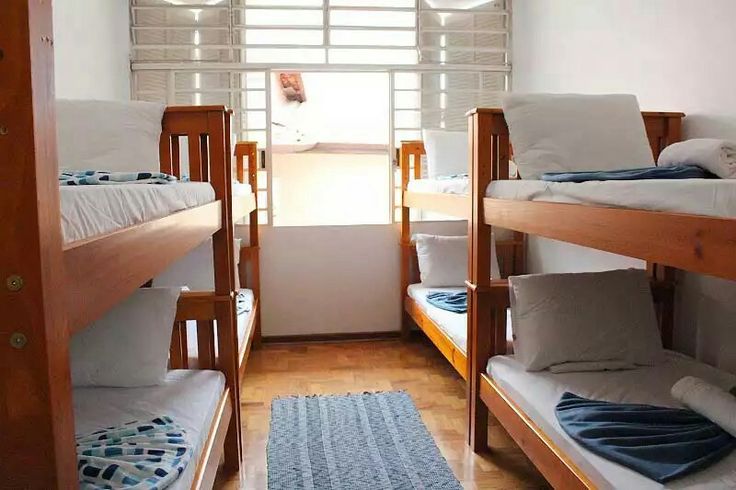
Boarding House Hygiene

Boarding House Hygiene

  • Wash blankets and sheets often
  • Avoid keeping leftover food in dorms.
  • Maintain personal and shared space cleanliness
  • keep dormitories tidy and beds well made
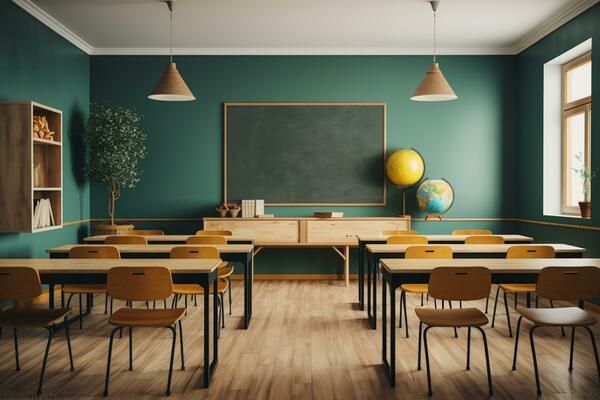
Classroom Hygiene

Classroom Hygiene

Keep classrooms clean and well-ventilated. Dispose of litter properly to create a healthy learning environment.

cafeteria

Food and Water Hygiene

Eat food from clean, safe sources (avoid uncoverd food).
Drink clean safe water.
Wash fruits before eating.
Environmental Hygiene

Surroundings Hygiene

Dispose of waste properly, sweep yards, and avoid stagnant water to reduce mosquito breeding and disease spread.

well Ventilation

Air and Ventilation Hygiene

Open windows for fresh air and sunlight
Avoid overcrowding to reduce infection spread.